Understanding the Effects of Hard Water
Limescale is not just an ugly white mark.
It forms anywhere hard water is heated or allowed to dry—on the fittings you can see and inside the plumbing, boiler, cylinder and appliances you cannot.
SEAL Plumbing & Heating is an accredited installer of Monarch water softeners. We correctly size, install and commission every unit for the home, so customers get dependable softened water without wasting salt or water.
Do You Actually Need a Water Softener?
A water softener is not essential for every home. It is most worth considering when hard water is causing a repeated nuisance, you want to protect expensive plumbing and hot-water equipment, or you are installing new equipment and want to prevent fresh scale from building up.
It may be worth considering if…
You regularly remove limescale from taps, showers and screens. Your kettle scales up quickly, You are replacing a boiler or cylinder, or you want to reduce ongoing scale throughout the home.
It may not be necessary if…
Your water is not particularly hard, scale is not causing you a problem, or the installation cost would be disproportionate for the property. We would rather check first than recommend something you do not need.
Send us your postcode and we will check.
Tell us your postcode and we will check the typical water hardness in your area and let you know whether a water softener is something we would recommend for your home. No pressure and no obligation—just honest advice.
How Limescale Can Affect Your Home
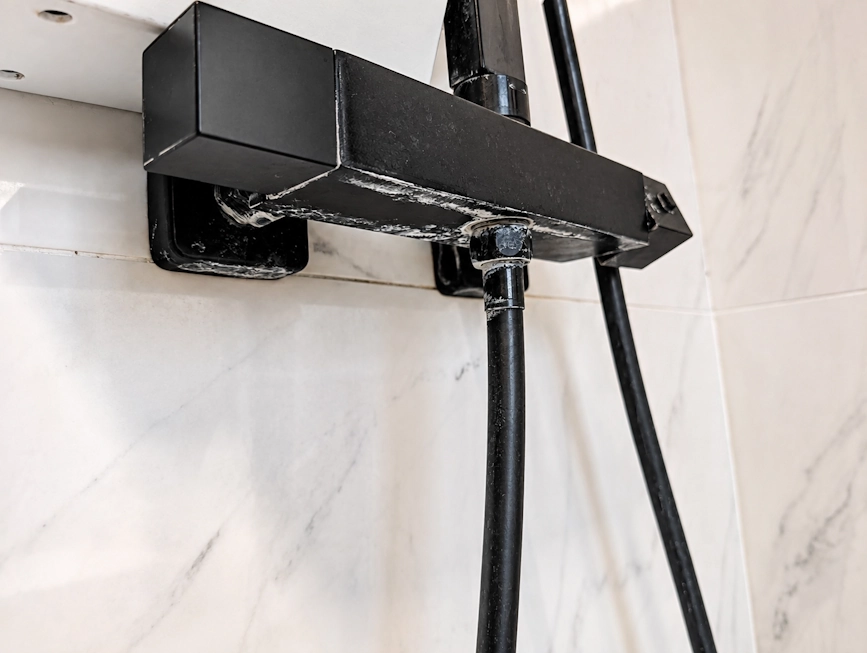
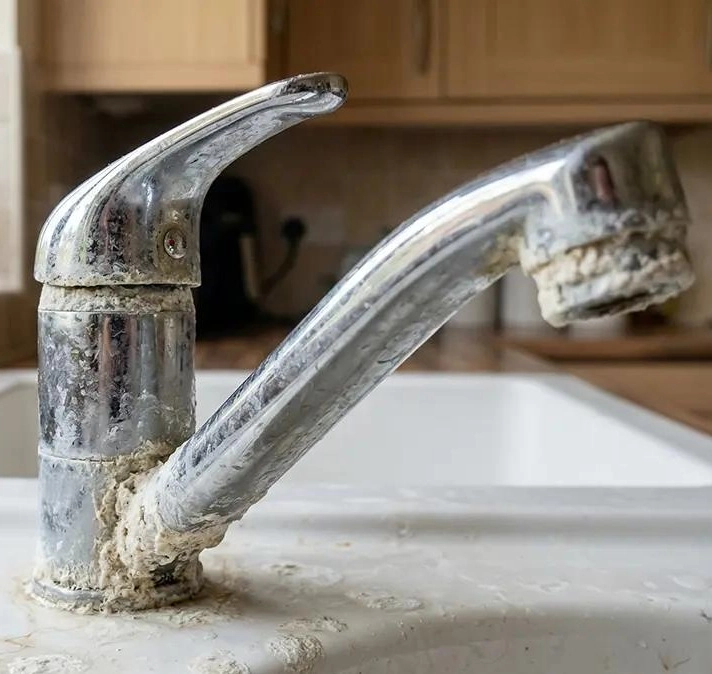
These scaled taps and shower fittings are from a home in Ipswich. Scale can narrow waterways, restrict shower heads and tap cartridges, coat heating surfaces and reduce usable capacity in hot-water equipment. Over time, that can mean poorer flow, longer heat-up times and extra strain on components. Preventing new build-up can help reduce these effects and support the long-term care of your plumbing and hot-water system.
A softener does not repair damage that is already present, but it helps prevent new hardness scale from forming throughout the softened-water system. The value is cumulative: every day without fresh scale helps protect the investment you have already made in your home.
Salt can cost less than a coffee
For an efficient, correctly sized modern softener, a practical household planning range is roughly £30–£60 per year for tablet salt.
- Lower-use home≈ £2.50/month
- Typical family planning figure≈ £5/month
Illustrative estimate only, based on salt around £10–£12 per 25 kg bag and typical monthly use in Suffolk. Actual use depends on water hardness and household consumption.
What Could Softened Water Save You?
No installer can honestly promise an exact saving without knowing the property. What we can say is that limescale creates recurring costs—and a whole-home softener targets the cause rather than repeatedly treating the symptoms.
Heating efficiency
Scale acts as an unwanted insulating layer on heat-transfer surfaces, so equipment may need to work harder to deliver the same hot water.
Plumbing repairs
Help reduce scale-related sticking, restriction and premature wear in valves, cartridges, shower heads and hot-water components.
Appliance life
Protect compatible washing machines, dishwashers and other connected appliances from new hardness-scale deposits.
Household products
Softened water lathers readily, so many households find they can use less soap, shampoo, detergent and descaler.
An investment in your home, not just another appliance.
Our water softener packages start from £995. Even before comfort and cleaning time are counted, avoiding just one scale-related call-out or extending the useful life of an expensive component can contribute towards that investment. The strongest value comes from protecting your home from new limescale, year after year.
Not sure whether that investment makes sense for your home? Send us your postcode first. We will check the typical hardness in your area and give you an honest view before you spend anything.
Why Choose a Monarch Water Softener?
Monarch offers compact, metered softeners designed for UK homes. Metered regeneration means the unit responds to water use instead of regenerating blindly on a fixed schedule. Correct sizing matters: too small can regenerate too frequently, while oversizing can add needless cost. Whether the property is a compact home in Martlesham or Kesgrave, a family house in Woodbridge or Felixstowe, or a larger system in Stowmarket, we recommend the right unit for the occupants, bathrooms, water use and installation space.
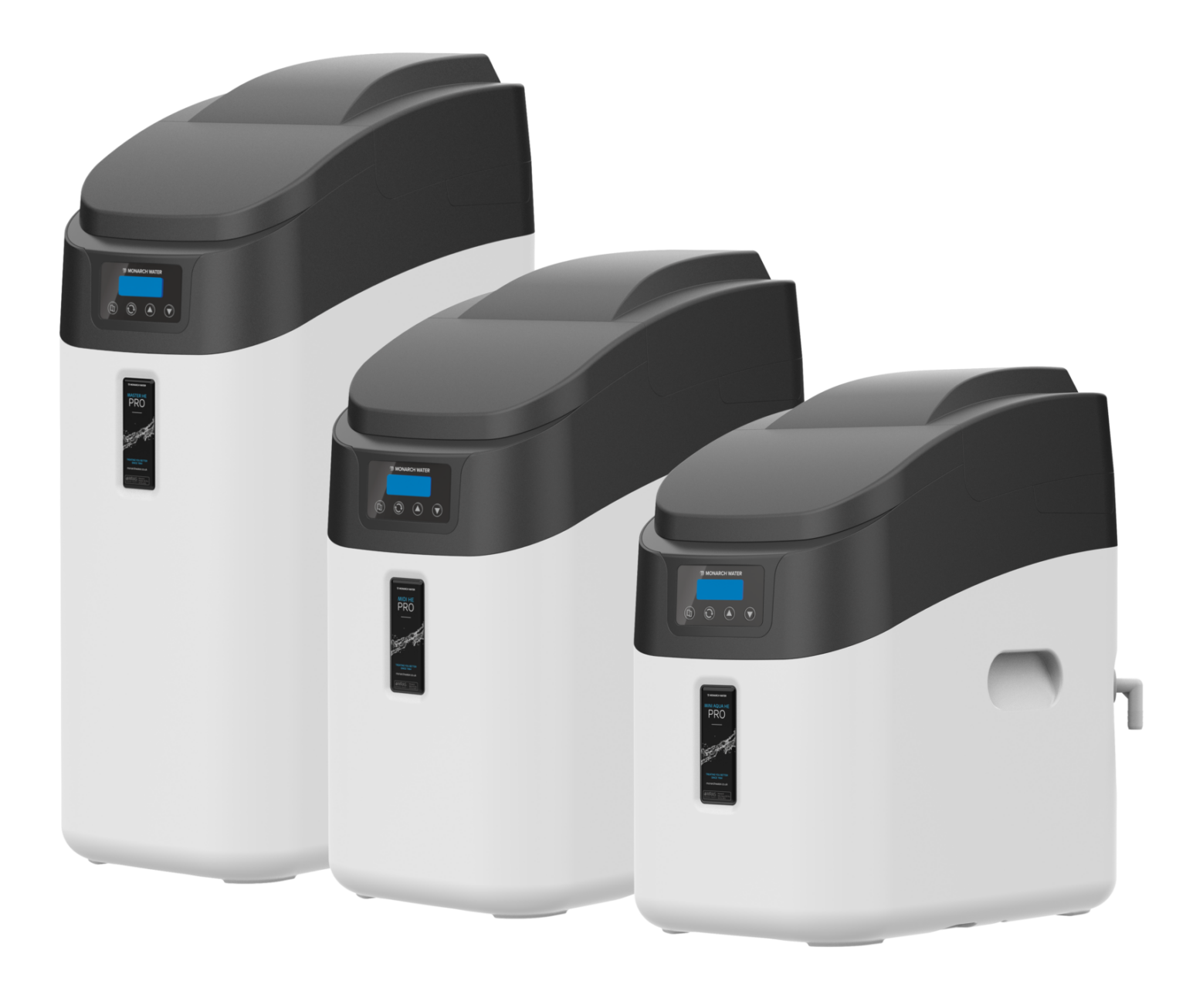
- Installed and commissioned by an accredited Monarch installer
- Correct model selection for your household and plumbing layout
- Clear advice on salt, with unsoftened drinking water as standard
- Local aftercare from SEAL Plumbing & Heating
Water Softener Installation Across Suffolk & North Essex
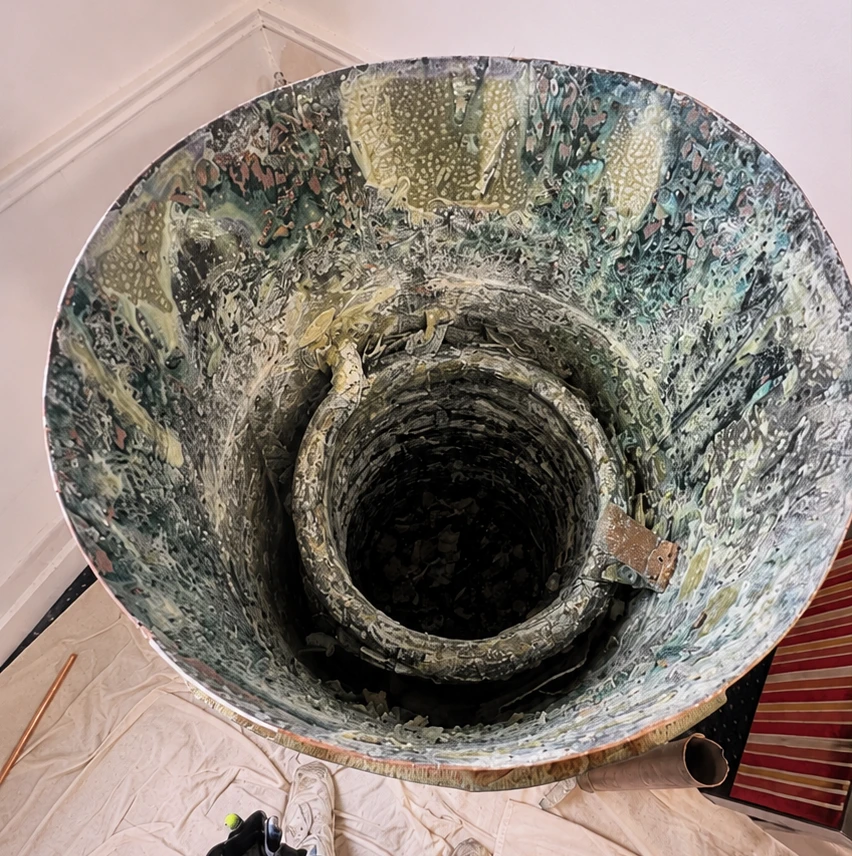
Looking for a Monarch water softener installer near you? SEAL Plumbing & Heating supplies and installs correctly sized systems throughout the local hard-water area. From the Ipswich taps pictured above and the heavily scaled cylinder we removed in Needham Market, we see the effects of hard water in Suffolk homes first-hand.
Our regular service area includes Ipswich, Martlesham, Kesgrave, Woodbridge, Felixstowe, Stowmarket, Needham Market and Hadleigh. We also help homeowners further west around Bury St Edmunds and Sudbury, and across the Suffolk–Essex border in Manningtree and Colchester. If your town is nearby but not mentioned, send us your postcode and we will confirm availability.
Questions Homeowners Ask Us
Which taps stay unsoftened?
As standard, we leave the kitchen drinking-water tap and the outside tap supplied with unsoftened mains water. The rest of the suitable household supply is softened, helping protect bathrooms, showers, the hot-water system and connected appliances. We confirm the exact pipework arrangement before installation.
How often will I need to add salt?
That depends on the household's water use, local hardness and the softener model. A correctly sized, metered Monarch softener regenerates according to demand, helping avoid unnecessary salt use. Most customers simply check the salt level periodically and top it up when needed—we show you exactly how.
Will a water softener remove the limescale already in my home?
It prevents new hardness scale from forming in the softened-water system, but existing deposits will not disappear overnight. Visible scale may still need an initial clean, while deposits inside pipework and equipment can reduce gradually over time. Components that are already damaged may still need repair or replacement.
Does a water softener need servicing?
Water softeners are generally low-maintenance, but they benefit from periodic checks to keep them operating correctly. The main homeowner task is keeping the salt topped up. We explain routine care after commissioning and can provide advice if anything changes.
How much does a water softener package cost?
Our complete water softener packages start from £995. The final investment depends on the model required, household water use, installation location and any pipework alterations. We assess your home and provide a clear quote before work begins.
How long does installation take?
Many straightforward installations can be completed within a working day, although access, drainage, pipework alterations and the chosen location can affect the time required. We assess these details first and explain what the installation will involve before work begins.
Start With Your Postcode
Send us your postcode and we will check the typical water hardness in your area. We will tell you whether a water softener is something we would recommend for your home and, if it is, which next step makes sense—without pressure or obligation.
Check My Water Hardness View Packages & Costs Call 07783 776113Accredited Monarch installation • Honest advice • Local aftercare